
4 February 2026
New Planning Exemptions: Simpler Extensions for London Homeowners
Government clarifies Biodiversity Net Gain exemptions, removing costly red tape for small-scale London residential developments and extensions.
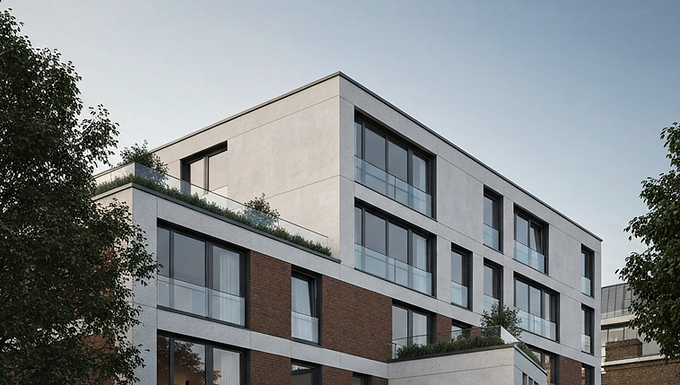
The UK planning landscape has recently seen the implementation of mandatory Biodiversity Net Gain (BNG) requirements, which generally require new developments to deliver a 10% increase in natural habitat. However, recent clarifications regarding BNG exemptions represent a significant victory for the residential sector. These exemptions specifically target 'householder' applications and small-scale sites, ensuring that the burden of ecological enhancement does not stall vital home improvements. For the majority of London homeowners planning extensions, loft conversions, or outbuildings, these exemptions mean they are no longer required to submit complex biodiversity gain plans or purchase expensive off-site credits. This policy shift aims to balance national environmental goals with the practical necessity of expanding and modernizing the UK’s existing housing stock. By removing these hurdles, the government is streamlining the path to approval for projects with minimal ecological impact, providing much-needed certainty for those looking to improve their primary residence.

For the average London homeowner, the planning process often feels like navigating a minefield of shifting regulations and mounting costs. The introduction of Biodiversity Net Gain initially sparked fears that modest projects—such as a kitchen extension in Wandsworth or a garden room in Richmond—might be subjected to the same rigorous ecological scrutiny as a 200-home housing estate. At London Extend, we specialize in helping clients maximize their property’s potential, and these clarified exemptions are a breath of fresh air for the 'Improve, Don't Move' movement.
In the context of London’s dense urban fabric, private gardens are often the only green space available. Under strict BNG rules, any project impacting a patch of lawn or a flower bed could technically have required a professional ecologist to measure the baseline biodiversity and propose a 10% improvement. In a city where space is at a premium, achieving a 10% gain on-site is often physically impossible, potentially forcing homeowners to pay thousands of pounds into a national fund to 'offset' their extension. These exemptions essentially safeguard the householder application, ensuring that your desire to add an extra bedroom or a modern glass-box extension isn't penalized by policies designed for major land developers.
This news is particularly relevant as London property prices remain high, making extensions the most cost-effective way to gain square footage. By removing the BNG requirement for small sites, the 'hidden costs' of planning are significantly reduced. You won't need to hire specialized environmental consultants or wait for lengthy ecological reports before your application is even considered by the council. This reduces both the professional fees and the total timeline of your project.
However, while the BNG exemption simplifies the legal requirements, London Extend still advocates for 'green-first' design. We believe that sustainable materials, high-performance insulation, and smart glass are not just about compliance, but about future-proofing your home’s value. Even if you are exempt from the 10% net gain rule, incorporating 'urban greening' elements—like a small sedum roof on your new extension or permeable paving—can still help your application gain favor with local planning officers who are increasingly focused on climate resilience. This clarification provides the certainty you need to invest in your property with confidence, knowing the path to a larger home is now clearer.